College of Science & Engineering

SFSU student hackathon makes the major leagues

Annual event draws 200 hackers for 48 hours of creating solutions, networking 

San Francisco State University’s annual hackathon returned to campus Feb. 13 – 15, bringing 48 hours of new opportunities to our students to create solutions, network with industry professionals and more. The theme for this year’s SF Hacks event, “Tech for a Greener Tomorrow,” encouraged projects focused on sustainability and taking care of our future. 

The student-run event attracted 300 people to the Student Life Events Center. Participants included hackers from across the country, as well as judges, panelists and mentors. Corporate sponsors included Major League Hacking, the venture-capital fund JFFVentures, Meta, IBM, Backboard, Medsender, Broxi AI, Actian, CRS, Upstreman and Shipyard, with beverages provided by Celsius, Red Bull, Poppi, Monster, Bloom and GST Living Foods. SFSU sponsors included the Computer Science Department, Innovation and Entrepreneurship Programs and the campus chapter of the Association for Computing Machinery.  

The event featured 77 student projects. About 30 SFSU students volunteered their time to put on the hackathon. 

“All of the attendees were able to build relationships and network with sponsors who are hiring,” said Ria Thakker, president of SF Hacks and a fourth-year Computer Science student.  
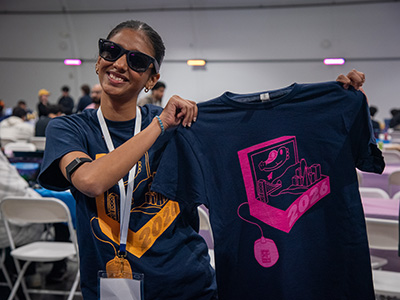
A person wearing sunglasses holds up an SF Hacks T-shirt while at the event
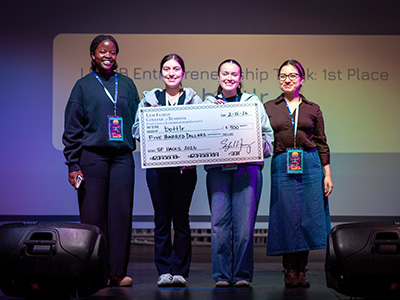
The four winners of the JFF Ventures Prize hold an oversized check while standing on a stage
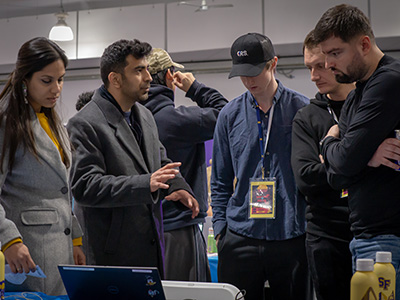
At the SF Hacks event, four people engage in a discussion while standing in front of a table with an open laptop computer

Thakker adds that numerous student volunteers have landed internships at leading companies after volunteering for SF Hacks. She interned at Uber in software development. 

“The tech companies and startups were excited to be part of the event. Companies like Meta and IBM want to come to schools like San Francisco State,” she said. “I want to give students hope and opportunities in their job search.” 

Jim Chen volunteered at SF Hacks for the third consecutive year. He recently completed his bachelor’s degree in Computer Science. He attended SFSU as an international student from Taiwan.  

“This event has the magic to pull alumni like me back,” Chen said. “You’re gaining connections from all around the world.” 

SF Hacks served as the official launch for a new partnership between Major League Hacking and JFFVentures to champion the next generation of builders in the southwestern U.S. To compete for the JFFVentures Prize, participants were challenged to create a tool or platform that bridges the gap between innovation and opportunity. The winners, students Maria Palacios, Guadalupe Carrillo Vega, Raina Zab and Matilda Verdejo Aitken, were honored for bottlr, a platform that connects donors of recyclable products directly with local bottle collectors. They received Lego sets and an exclusive meeting with the JFFVentures investment team. 

Overall, 30 student projects won prizes. The awards vary, including career coaching sessions with industry professionals, electronics, appliances and cash. 

The SF Hacks team seeks volunteers for next year’s hackathon. For details, e-mail Thakker at rthakker@sfsu.edu

Learn more about the SFSU Computer Science Department. 

SFSU mentorship helps STEM students succeed in competitive doctoral programs

Graduate students supported by SFSU’s Student Enrichment Opportunities office complete Ph.D. programs, regardless of undergrad institution or GPA

When San Francisco State University alumna Muryam Gourdet (M.S., ’16) wanted to quit her Ph.D. program, she received a message from one of her former mentors in the SFSU Student Enrichment Opportunities (SEO) program: “Don’t quit. Come talk to me now.” 

She came back to campus to talk to SFSU Professor Teaster Baird, who was the Chemistry and Biochemistry Department Chair at the time and is now a College of Science & Engineering (CoSE) Associate Dean. Other SFSU mentors reached out to Gourdet — in person and by phone and email. Some even contacted faculty and program managers at Gourdet’s Ph.D. institution, University of California San Francisco (UCSF), to help in situations where she felt powerless. 

“It was full force,” she said.

Gourdet successfully finished her Ph.D. at UCSF. She also earned a mentorship award there — UCSF faculty started asking her for mentorship advice — and accomplished several other achievements along the way. After her Ph.D., she worked in industry for a few years.

It’s a story heard time and time again in SFSU’s SEO community.

“Once SEO, always SEO,” said SEO Director Megumi Fuse, a professor in the Department of Biology. 

Since the early 1990s, SEO has housed training grants for undergraduate and graduate students in CoSE, providing research opportunities, stipends, full tuition, career development opportunities, graduate application guidance and community. Although it mostly serves students in Biology and Biochemistry and Chemistry, SEO has impacted nearly all majors in the college at one point. 

In a new PLOS One paper, Fuse and collaborators at SFSU and California State University, Los Angeles (CSULA) demonstrate that this system leads to master’s students enrolling in and successfully completing prestigious Ph.D. programs, regardless of undergraduate GPA. It supports the larger movement for a more holistic assessment of student success. 

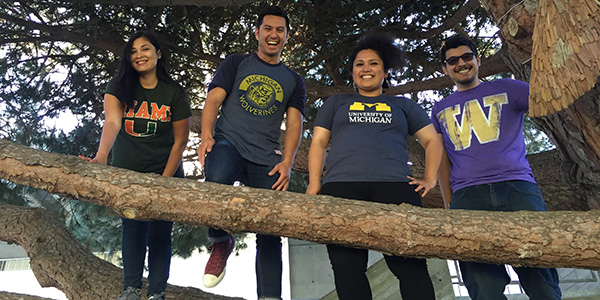
Four students standing in a tree wearing college t-shirts
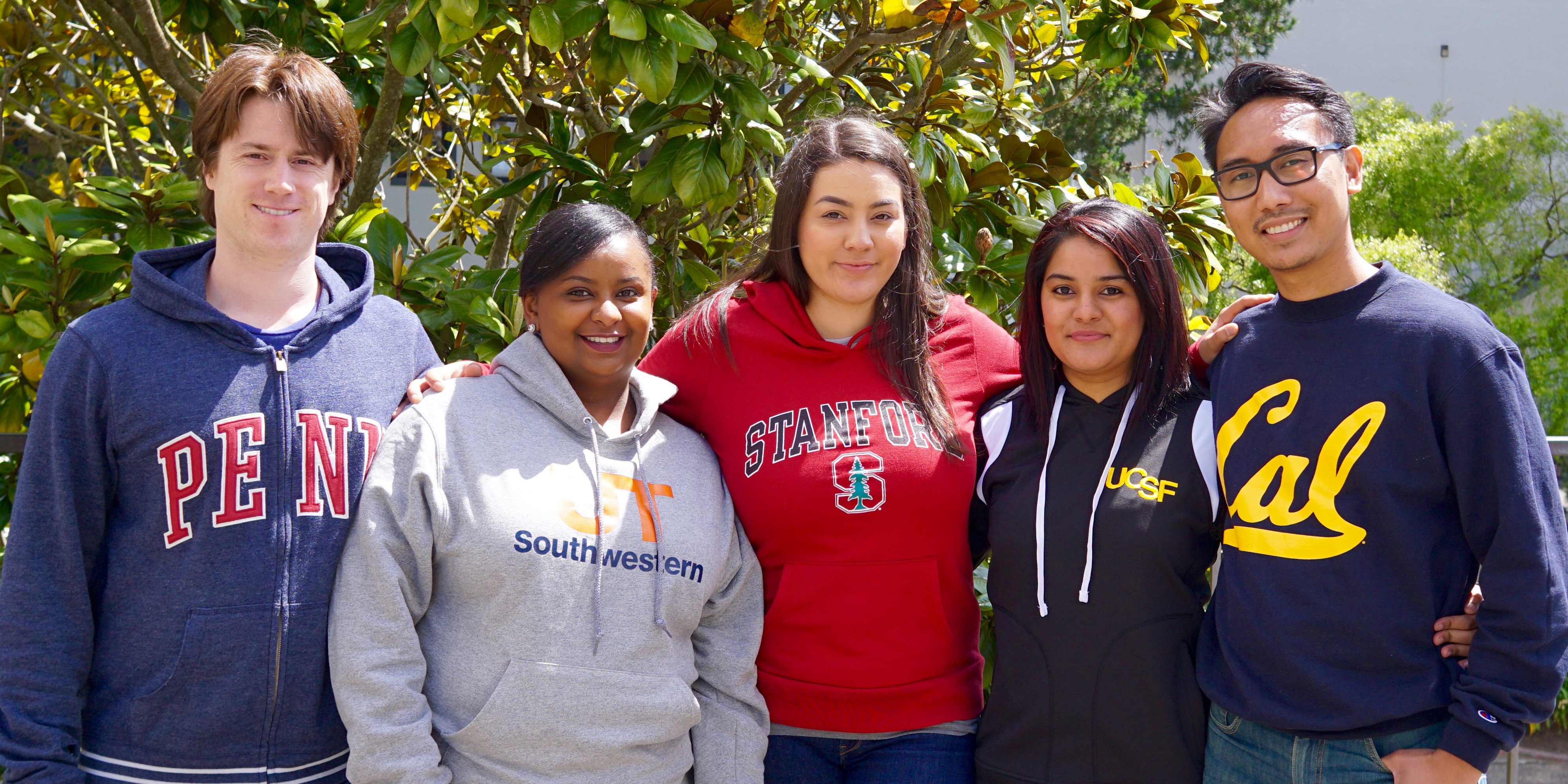
Five students wearing college sweatshirts

SEO students wearing merch from their Ph.D. institutions

GPA isn’t everything

“We have this amazing pool of students that are hidden,” said Fuse. “Things like their GPA and need to work mask their ability to be successful. Once we give them money and mentorship, we see their true abilities.”

SEO supported over 500 students between 1992 and 2019. Eighty-nine percent of the 330 SFSU master’s students who applied to Ph.D. programs were accepted. Fuse's collaborators at CSULA’s MORE (More Opportunity in Research) office reported a similar pattern. Students enrolled in top research institutions such as UC Davis, UC Berkeley, University of Washington, UCSF, Harvard, Stanford and more. 

Importantly, the 30 years of data showed that students with low and high GPAs (below and above 3.0, respectively) — regardless of their undergraduate institution — were accepted to and completed programs at comparable rates. 

Undergraduate GPA is often used as a predictor for student success and as an early filter — but the metric provides an incomplete picture of a student’s potential. 

“I had no money. Paying my bills came first; school came second,” Gourdet said of her undergrad years. She had been working at Ikea for years and was trying to figure out how to make that a sustainable career. “My GPA was a perfect map reflecting things I was going through in my life.”

SEO not only funded and supported Gourdet’s master’s program but adapted to meet her specific needs. When she started at SFSU, she had a 6-month-old daughter.

“They paid my travel fees for conferences and gave me resources so I could pay for my daughter to come with me because that would have been a challenge,” she explained. “The money they gave provided the opportunity to dedicate my time and efforts to research.

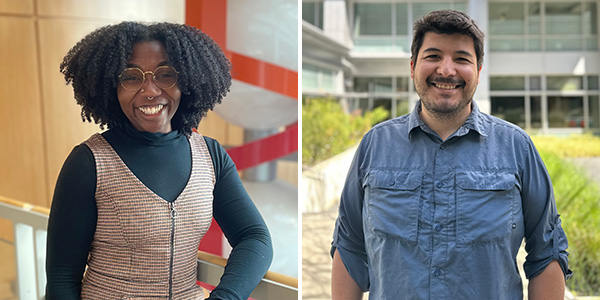
Headshots of two SFSU alums

SEO alumni Muryam Gourdet (left) and Dennis Tabuena (right)

Network with insider insight

“I applied to San Francisco State and San José State. I basically made my decision based on the SEO support I was going to get,” said Dennis Tabuena (M.S., ’16), now a postdoctoral fellow at the Gladstone Institute. “I still think my favorite experience in research was the two years I spent at SFSU. It was probably the most productive years in my whole research career.”

Though Tabuena didn’t have the best grades as a UC Merced undergrad and only did research in his last year, he was able to transition to a biotech job. The problem was that he quickly discovered a career ceiling that required a Ph.D. to break. After a few unsuccessful Ph.D. application cycles, he decided to pursue a master’s degree as a stepping stone. 

SEO’s extended network was invaluable to Tabuena’s success earning a Ph.D. in Neuroscience from the University of Washington, Seattle. While SEO provided coaching, practice interviews and writing support, the office also brought university recruiters to talk about programs and provide a peek behind the admissions process. 

“I’ve been able to get big-name universities to come to SF State on their dime. They fly recruiters in; they pay for the hotels, the airfare,” Fuse explained. “UCSF, Stanford, Harvard — they come to SFSU to recruit. They realize that SFSU is a goldmine for students.”

Tabuena recalls some recruiters would even provide feedback on personal statements and answer questions via email. They provided insight that could only be provided by someone on admissions committees, something that was lacking in his industry experiences. 

SEO’s students and alumni themselves are critical to the health of the SEO ecosystem. As Gourdet prepared to leave industry, SEO connected her with alumni who had similar career experiences and trajectory. She has been coming back to SFSU two or three times a year for on-campus events.

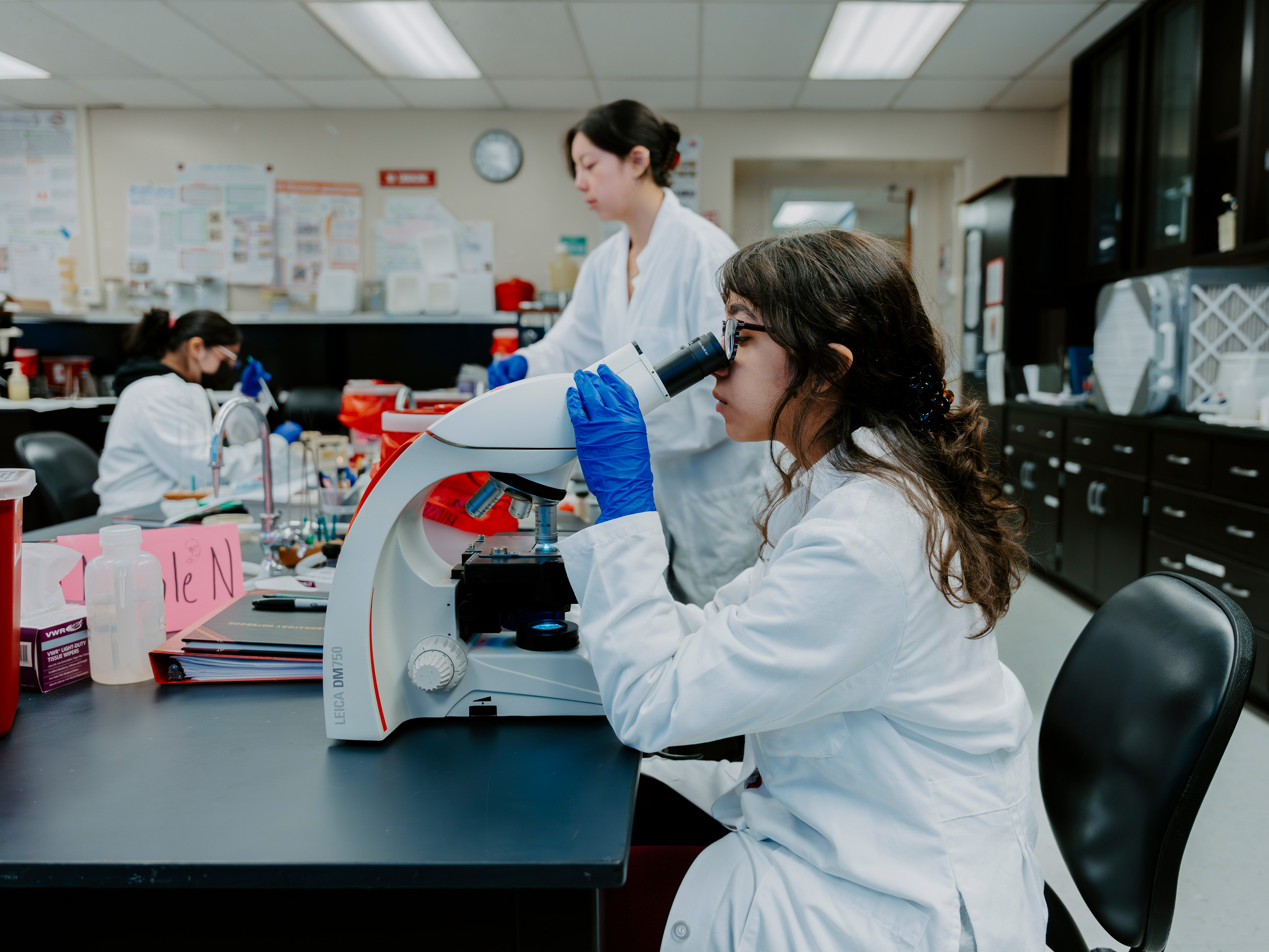
One student looking into microscope
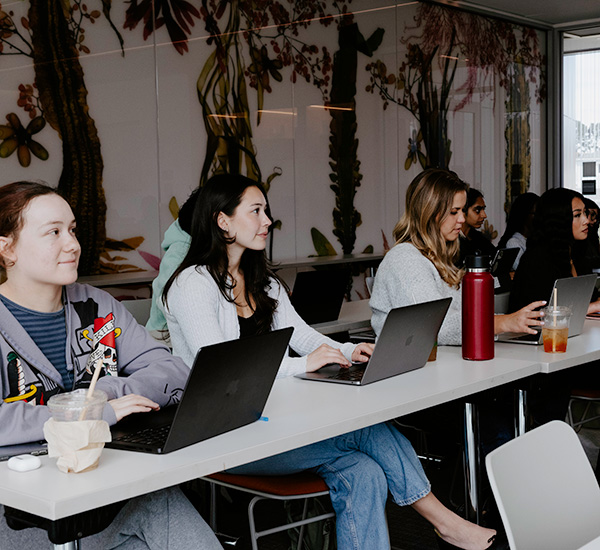
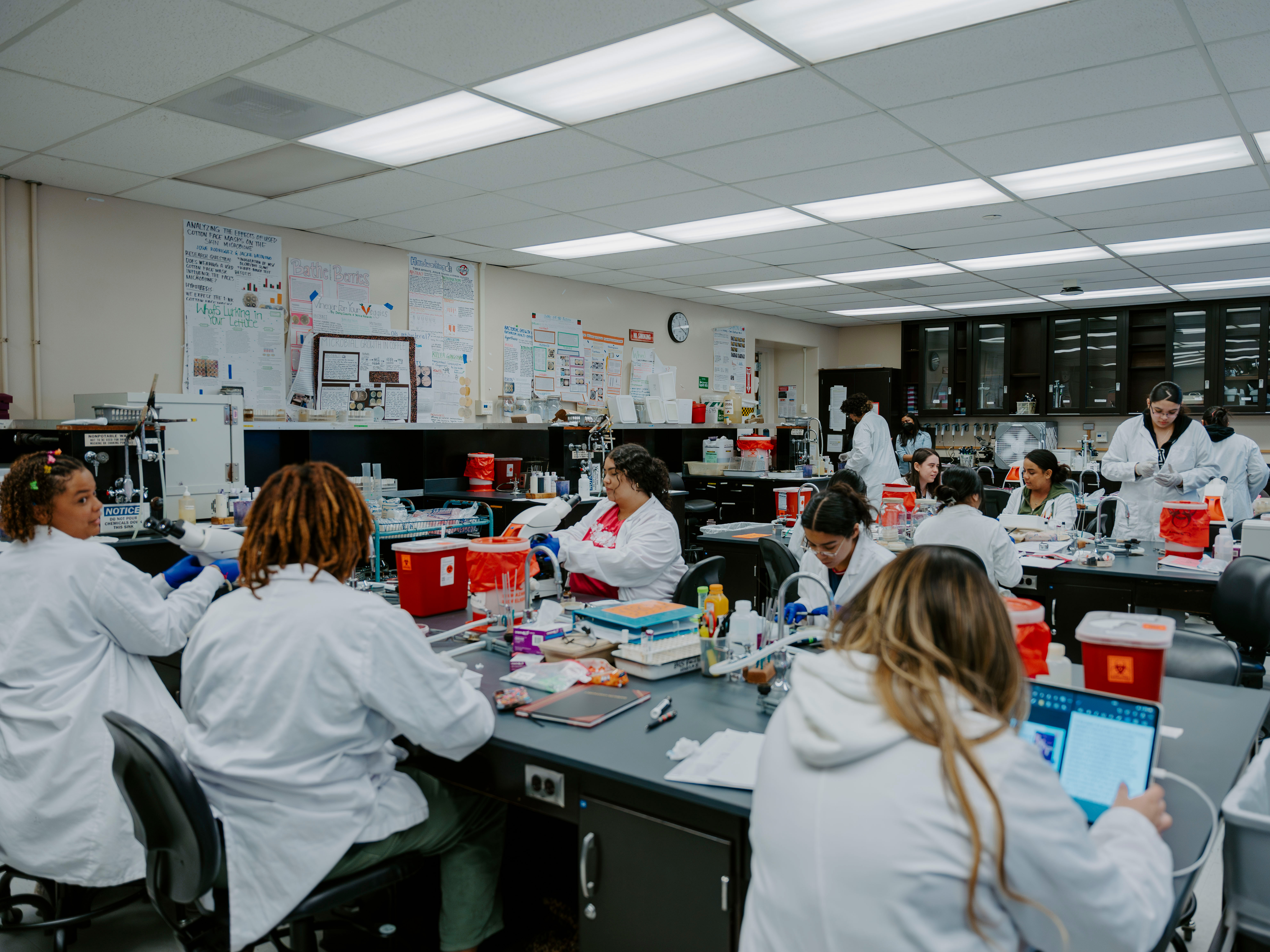
Many students working in a lab classroom
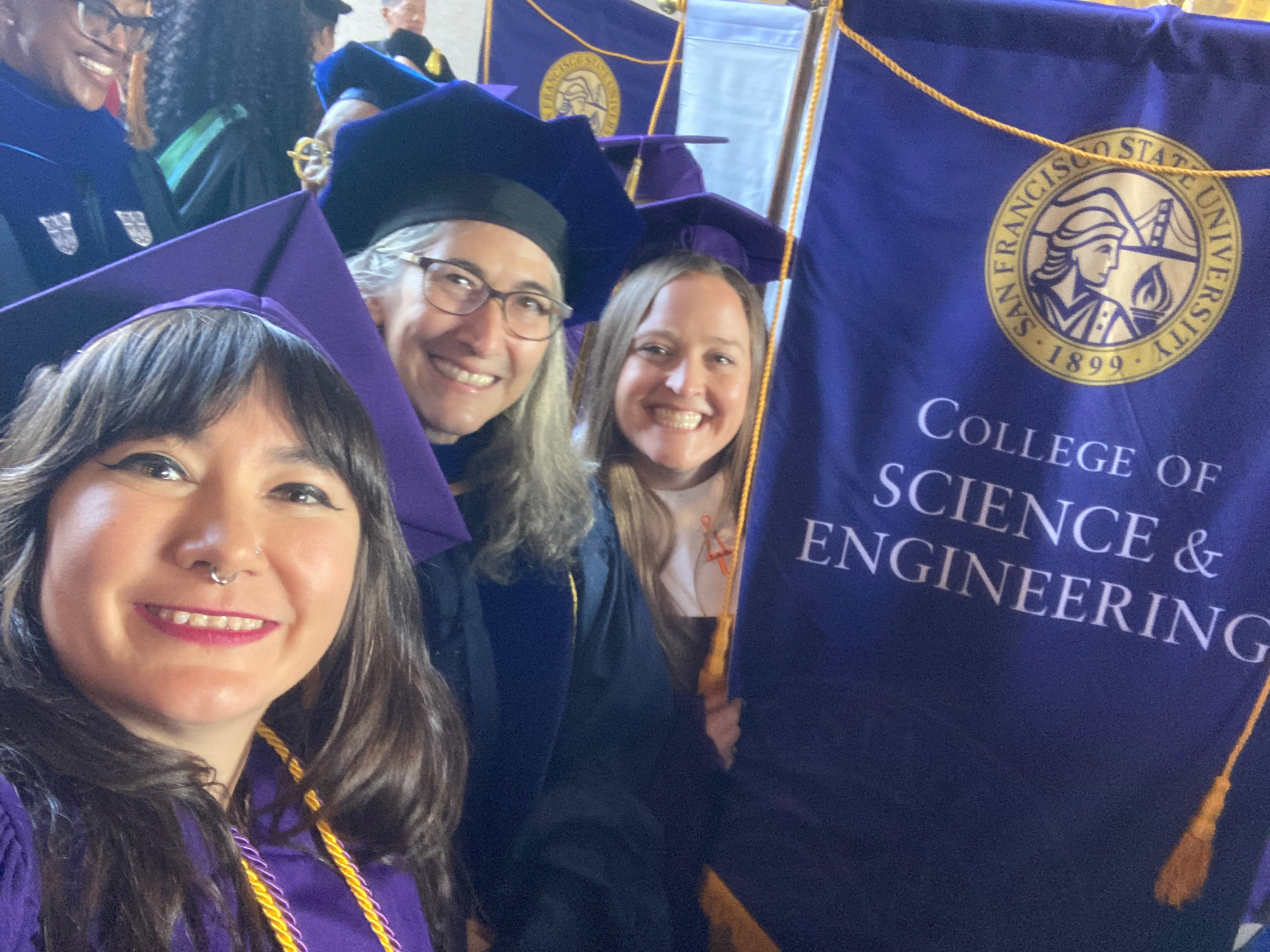
Two students with Dean Carmen Domingo at Commencement
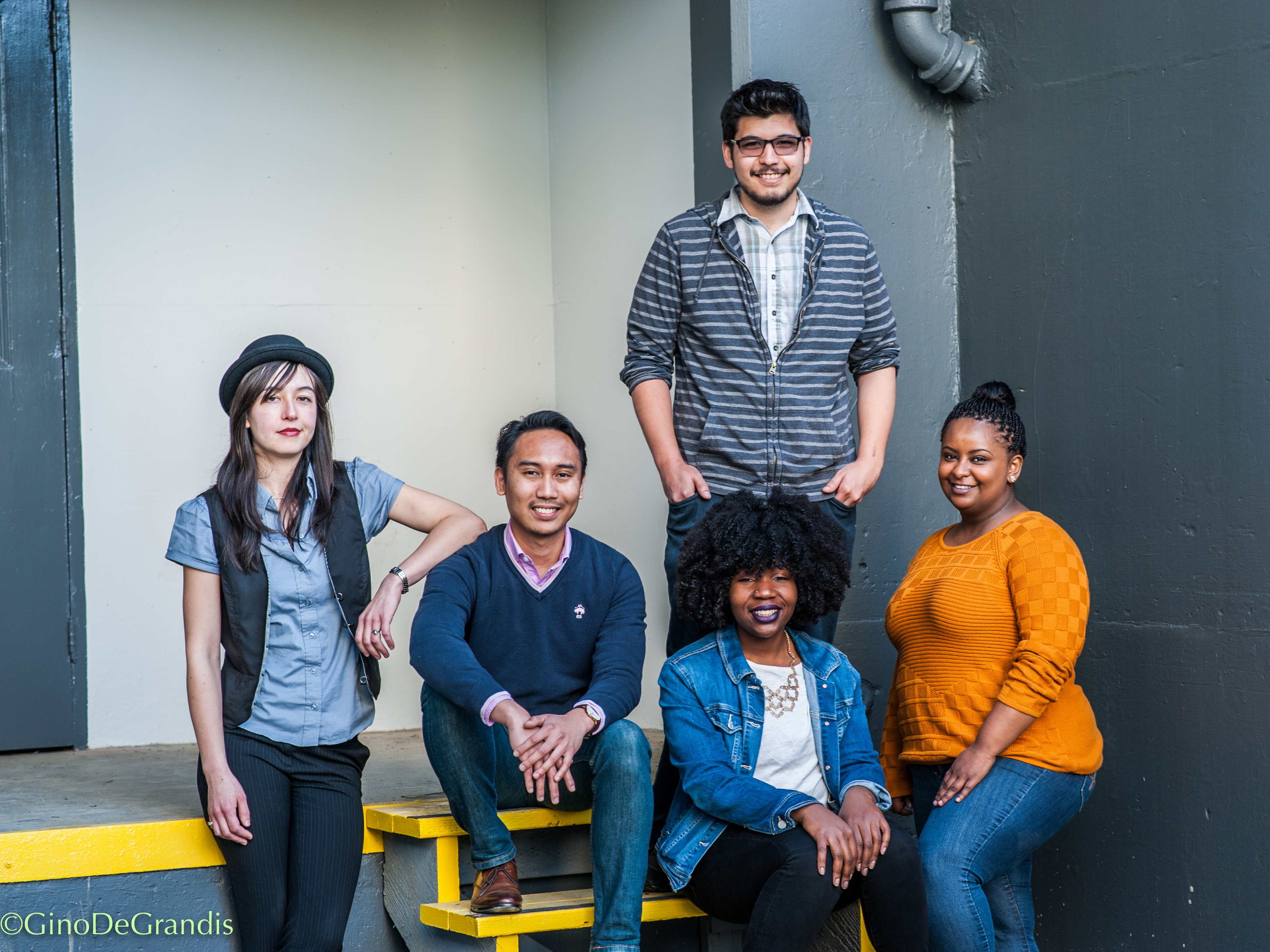
Five students sitting on steps
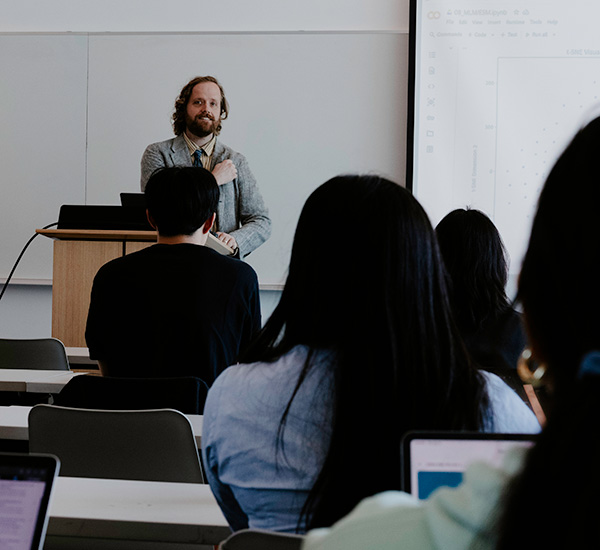
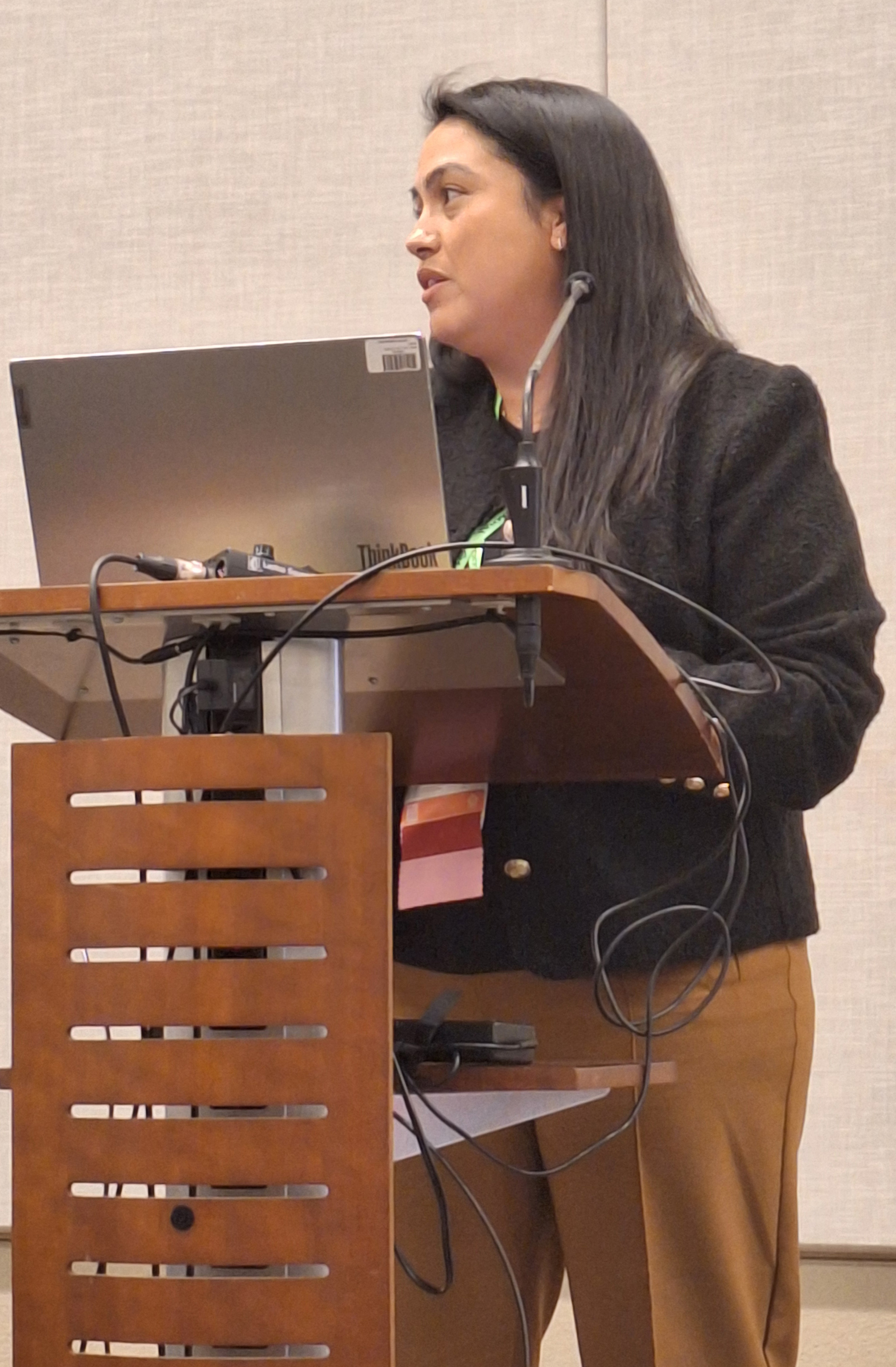
Assistant Professor Cathy Samayoa at a podium

SEO also provides undergrads with research experience. The number of undergraduate and graduate SEO alumni is in the hundreds. Alumni often stay connected with SFSU and participate in panels and other events with current students and faculty. 

The lasting SEO effect

“It’s so many layers of mentorship that hopefully [students] don’t fall through the cracks,” Fuse said. She and her collaborators built the SEO infrastructure with longevity and a culture shift in mind. “Students also learn to mentor the next generation. I think one thing you’ll find with low-income minority students is that they want to give back to their community.”

SEO scholars like Juan Mendoza (B.S., '03) have gone on to become professors carrying on the tradition of the high-caliber science and intentional mentorship at prestigious universities. 

Tabuena wants to stay in academia. As an SFSU student, he used to mentor community college summer interns, so he’s continuing to do this as a postdoctoral fellow at the Gladstone, a research institution affiliated with UCSF.

“We’re giving people that opportunity to get into the lab. These people are not in a position where [research experience is] readily available to them,” he explained. “It’s very important for me to keep doing that now that I’m on the inside.”

Thanks to her campus visits, Gourdet just started her dream position as program manager for SFSU Assistant Professor Archana Anand’s Phage Pathways program. The Department of Energy-funded program with two national labs is creating a pipeline to train students for the renewable energy workforce. 

“I tell students that the most important thing is the network you build, not the things you learn. You can learn material from anywhere; you can Google a lot,” Gourdet said. “But knowing the right people to guide your next steps is critical.”

Learn more about the Student Enrichment Opportunities (SEO) program at SFSU.